

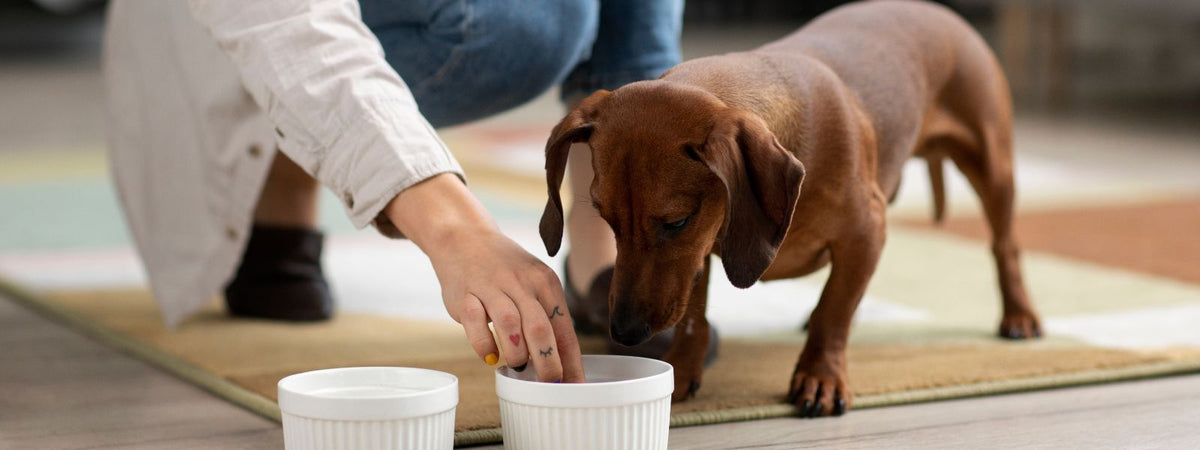
Dog training is an essential aspect of life with your pet, and dog treats play a key role in this process. As an owner, you have undoubtedly already experienced how a small reward can transform the behavior of your faithful companion. But how can you ensure that you are using these canine delights optimally to train your dog? Explore the tips and techniques that ensure effective learning through treats.
The power of treats in dog training
Dogs, just like humans, are motivated by rewards. When they perform a positive action or learn a new command, a tasty treat acts as a powerful motivator, thereby encouraging their positive behavior. A dog treat is not just delicious; it also provides immediate gratification that reinforces the association between a good deed and a reward.
Canine psychology teaches us that dogs respond better when they associate a specific action with a reward. This method has been proven for decades and remains a pillar of current dog training. By using treats, you can capture your dog's attention more easily, thus promoting fast and engaging learning.
Choosing treats wisely
Not all treats are created equal when it comes to training your dog. It is crucial to choose appropriate treats, both in terms of size and composition. Opt for natural ingredients and avoid additives that could harm your pet's health. A good treat should be not only tasty but also healthy.
The size of the treats is also important. If they are too big, they risk distracting the dog from the exercise; if they are too small, they may lose their appeal. Aim for intermediate sizes that allow for quick and easy chewing. This way, your companion can return to the proposed exercise quickly.
Timing and synchronization of rewards
When using dog treats, the timing of the reward is essential. Rewarding your dog immediately after they have performed a good behavior helps to reinforce it. If the reward is given too late, your dog might not understand why they are receiving it, and the link between the action and the gratification will be broken.
To optimize this synchronization of rewards, anticipate by always having a few treats on hand during your training sessions. By integrating this element, your dog will begin to positively anticipate learning moments, thus increasing their engagement and responsiveness.
Effective methods for integrating treats into training

Once equipped with the right treats, it is time to move on to practical application. Developing training habits and routines with treats can help achieve obedience goals faster. Regardless of your dog's current level of obedience, adjust the methods to their specific needs.
Progressive learning and breaking down tasks
Break each task or command down into smaller steps. For example, if you want to teach your dog to roll over, start by rewarding them when they lie on their side, then when they start the movement, and finally when they roll over completely. These gradual steps make learning less intimidating and more accessible.
As your dog progresses, gradually reduce the frequency of the treats. Replace some food rewards with verbal praise and petting. This ensures that your dog will not depend entirely on treats to follow commands, while still continuing to feel the satisfaction associated with completing the task.
Combining treats and specific games
Integrating games into training sessions offers an excellent opportunity to use treats. Games such as hide-and-seek with treats not only stimulate your dog's mind but also offer opportunities to reinforce certain behaviors. With every victory during a game, a reward solidifies that feeling of success.
Similarly, interactive exercises add a playful dimension to dog training. By associating a favorite toy with a treat, you create a double motivation that pushes your dog to enthusiastically carry out the proposed missions.
Common mistakes when using treats
While treats are incredibly useful, there are a few pitfalls to avoid so as not to derail your training efforts. One classic mistake is using treats to calm bad behavior. Offering a treat to stop incessant barking can inadvertently reinforce that negative behavior.
It is also important to maintain balance. If your dog receives a treat every time they do something well, they might become dependent and constantly wait for something in return to obey. Let's build the owner-dog relationship on the basis of motivation and mutual respect, rather than on the simple expectation of a food reward.
-
Avoid excessive rewards: rewarding every little gesture becomes counterproductive.
-
Do not make the mistake of rewarding only the final result; value the animal's progressive efforts.
-
Vary the types of treats to further stimulate the dog's interest and reaction.
-
Carefully monitor your dog's total caloric intake to prevent any unwanted weight gain.
The long-term impact of treats on dog training
With thoughtful and consistent use, treats become an excellent way to establish lasting discipline in your dog. What you work on today—patience, repetition, and rewards—will lay the foundation for fluid communication and long-term mutual respect.
By following your dog's progress, you will notice how much their confidence grows and how much more willing they are to collaborate with you. Thanks to treats, training sessions become not only positive but also enjoyable, transforming training into an activity you both look forward to.
The Teckelshop Team - 💚


Leave a comment
All comments are moderated before being published.
This site is protected by hCaptcha and the hCaptcha Privacy Policy and Terms of Service apply.