
Adapted nutrition for neutered dachshunds
Neutering causes a hormonal change in the dachshund, which in most cases leads to weight gain. According to some studies, neutered females tend to gain weight more quickly than those that are not. Therefore, it is important to monitor their diet to keep them in top shape even after the procedure.
How to properly feed your dachshund after neutering? What good habits should you adopt to preserve all their vitality? All the answers in this new article. 😊
Neutering a dachshund: side effects

Neutering is a surgical procedure whose main objective is to prevent any potential reproduction. In principle, it is a routine operation for professionals that does not involve any major difficulty. But as with any surgical procedure, some postoperative complications cannot be ruled out.
Reactions related to the use of general anesthesia
These most often manifest as difficulty moving or repeated vomiting. However, rest assured that these reactions fade quickly after your doxie has had a good rest.
Risks of postoperative hemorrhage or infection
If the veterinarian has done their job well, there is no risk of such complications occurring. You just need to follow the postoperative care recommended by your veterinarian, especially regarding hygiene and diet. Do not hesitate to contact them in case of any abnormal situation: persistent bleeding, for example.
Weight gain in your sausage dog
You should know that neutering a dachshund creates a hormonal imbalance in that it suppresses the process of releasing sex hormones (estrogens). These hormones notably play a role in regulating your pet's appetite. The result? The dog feels hungry all the time, hence the weight gain.
Furthermore, your sausage dog becomes less active than usual after the procedure. It is the fact of expending less energy that increases their appetite.
Consequently, if you do not implement a balanced diet for your dog after neutering, beware of overweight problems. Especially since the dachshund is a dog breed that has a predisposition to obesity.
Let us recall that being overweight can seriously harm a dachshund's health (joint disorders, back problems, respiratory issues, etc.).
What diet for a neutered dachshund?
After neutering, the diet offered to a dachshund will no longer be the same as that offered before the operation. Indeed, your furry friend needs a balanced diet with kibble for neutered dogs adapted to their metabolism to avoid any risk of being overweight.
In principle, the energy needs of a neutered dog decrease by up to 20 to 30%. It will therefore be necessary to provide a low-calorie diet that still supplies the nutritional intake essential for their growth.
Dog kibble and wet food
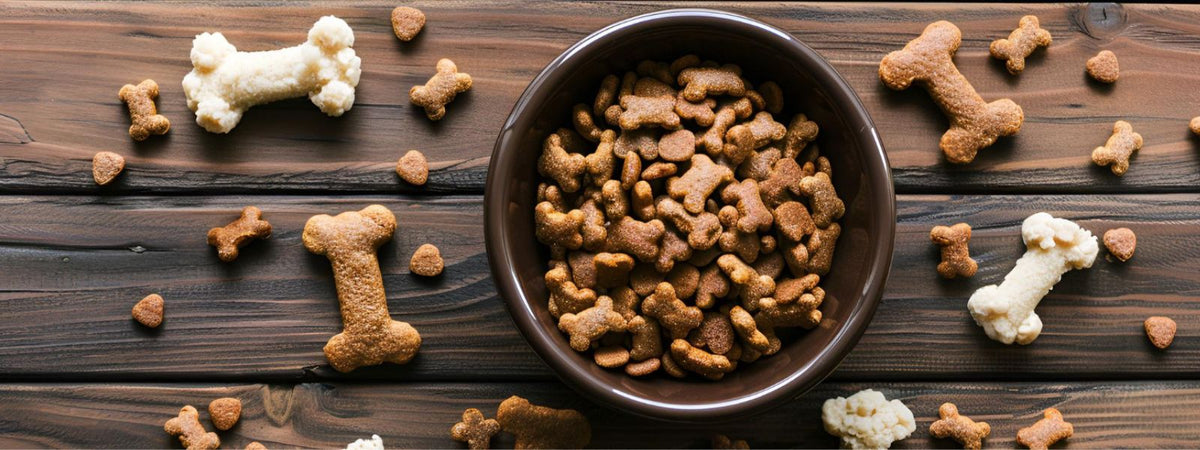
If your dachshund is used to ready-to-eat foods like kibble and canned wet food, you must carefully check that these are rich in protein and fiber, but low in fat and carbohydrates.
On the market, there are specific foods for neutered dogs that meet the nutritional and energy needs of your dachshund. They will help maintain muscle mass while providing good satiety.
These foods should be chosen based on your pet's age and daily activity level. As a general rule, the amount to serve is indicated on the packaging. However, it can be increased slightly if you notice that your dog is not yet satisfied.
Indeed, most of these are light kibble and wet food, thus lower in fat, which avoids the risk of weight gain even if consumed in larger quantities.
Important note: before decreasing or increasing your neutered dachshund's daily ration, always seek advice from your veterinarian.
Homemade food
Preparing your neutered dachshund's meal yourself can be a good alternative to supplement or even replace the kibble and other products offered on the market.
It is possible that your dachshund will not be satisfied after their daily ration of kibble. “Homemade” food can thus help them feel full, while limiting weight gain.
To achieve this goal, you must of course offer a healthy and balanced diet prepared with fresh ingredients. The idea is to ensure your dog feels full while providing the nutrients they need to be in good health.
You can, for example, rely on low-calorie foods such as:
- Fiber-rich vegetables (green beans, zucchini, cucumbers, etc.) that help with digestion;
- Lean meats rich in protein (lamb, duck, turkey, chicken breast, etc.);
- Salmon oil rich in essential fatty acids (omega-3): an excellent anti-inflammatory, stimulates immune functions, improves coat appearance, etc.;
- Cottage cheese, rice, etc.
However, it is advisable to get well-informed on the subject from an animal nutrition expert before incorporating a new diet or even considering a change in eating habits. The idea is to avoid nutrient deficiencies (calcium, vitamins, proteins, etc.) that can harm your pet's health.
Moreover, if your dachshund is used to kibble and other ready-to-eat canned foods, it can be complicated to get them to try other things. To avoid this kind of inconvenience, you can gradually introduce your preparations even before the operation so that your dog gets used to these new flavors.
How to avoid the risk of being overweight after neutering your dachshund?

Since we know that our dachshunds' energy needs decrease after neutering and that they have a bigger appetite, we are therefore tempted to reduce their daily ration to avoid overweight, which is something to completely avoid.
While eating less may help maintain their ideal weight, the caloric and energy needs will not be met. Hence, there is a risk of nutritional deficiencies that can be harmful to their health.
To mitigate the problem of weight gain, here are some small routines to put in place:
- Balance their diet well: Ask for a professional's opinion before making any changes to their diet or even for advice on the most suitable brand of kibble.
- Continue physical activities: short walks and daily exercises will help burn off extra calories, but they are of course beneficial for your dachshund's general health.
- Monitor their weight curve: Weigh your dog regularly, once or twice a month. In case of weight gain (5 to 15% more than their ideal weight), adjust their daily ration, but always after consulting your attending veterinarian.
Closing word
Neutering inevitably implies a certain change in your pet's daily habits (less active, bigger appetite, etc.). However, remember that this is a beneficial process for both your dachshund and you, the owner.
Indeed, it should be known that neutering offers many advantages. It notably helps reduce the risks of developing mammary tumors, decreases the risks of contracting pyometra (uterine infection caused by hormonal imbalance), and prevents unwanted litters.
If you are considering neutering your dachshund, remember to get well-informed by your veterinarian in order to know all the measures to take before and after the intervention and, above all, to provide them with the best daily nutrition.
The Teckelshop Team - 💚 sponsored article


2 comments
marie
Merci bien interessant pour mon toutou
blanchet
bonjour.Dans votre article vous indiquer un tableau pour les repas.Je ne trouve pas…Yoda, mon teckel standard, a 12 ans, est castré, marche 1 h / jour à 2,5kms/h et pèse 9 kilos.
Tous les soirs il a un petit batonnet à macher car il entartre vite.
Je pense que son poids est bon.
Il mange 34 grs de croquettes wa virbac diabet + 25 grs de poulet cuit 2 fois/ jour.
ses crottes sont toujours petites et sèches.Je pense qu’il faudrait mettre des légumes.Mais il n’aime que ceux qui ont le gout de la viande( donc ciits ds du bouillon).
Faut-il enlever un peu de croquettes si je mets haricots verts ou carotte et en quelle quantité ?
Quelle quantité de lègume donner par jour ?
J’ai demandé au véto qui m’avait donné des doses: il avait bien grossi !!!
Merci par avance de votre aide pour que Yoda batte le record mondial de longévité du teckel standard à poils longs charbonné😉😉
Leave a comment
All comments are moderated before being published.
This site is protected by hCaptcha and the hCaptcha Privacy Policy and Terms of Service apply.