

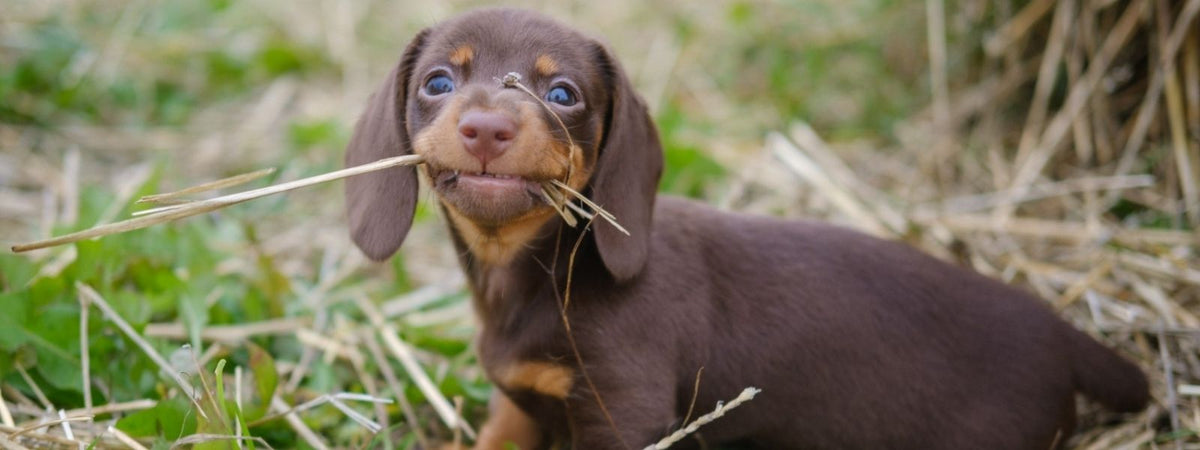
Introduction to disease prevention in the Dachshund
The Dachshund, with its elongated silhouette and little legs, is a dog like no other. However, this particular body shape makes it more predisposed to certain conditions and diseases, especially regarding its back.
To ensure your Dachshund stays in good health, it is important to take preventive measures. 🥰
Taking care of the skin and preventing infections
The skin of the sausage dog can be prone to certain issues such as itching, infections, or the formation of patches.
👉 To prevent these conditions, it is necessary to follow a few recommendations:
- Ensure regular hygiene by brushing your Dachshund's coat to remove dirt and any potential parasites.
- Monitor sensitive areas of their skin, especially if they are prone to irritation. Special attention must be paid to skin folds and parts subject to regular friction, such as under the belly.
- Provide a balanced diet adapted to your Dachshund. A good diet contributes to the health of their skin by providing essential nutrients.
- If you notice signs of infection or itching, consult your veterinarian. They will be able to prescribe an appropriate treatment to soothe your furry friend.
Preventing back problems
Back problems are common in Dachshunds due to the unique body shape that we love. 😍
It is therefore essential to take preventive measures to protect their fragile spine:
- Avoid lifting your Dachshund by its back. Prefer lifting it (see video) by supporting its belly or using a sling.
- Limit activities that could put excessive pressure on your Dachshund's back, such as jumping or going up and down stairs. Favor games and exercises adapted to their physical condition, ensuring that their back undergoes as little rotation as possible.
- Give them a comfortable bed or basket appropriate to their size. Adequate support will help reduce the pressure exerted on their spine when they rest.
By implementing these preventive measures to take care of your Dachshund and its spine, you will help maintain its overall well-being and prevent health issues. Do not hesitate to ask your veterinarian for advice on care specific to your pet.
Find our article: when to neuter a Dachshund?

Tips for a balanced diet
A balanced diet is essential to ensure the health and well-being of our dogs, and this also applies to Dachshunds.
Due to their unique morphology, Dachshunds have specific nutritional needs that must be taken into account to guarantee optimal nutrition. Here are some tips to follow for a balanced diet for Dachshunds:
The specific nutritional needs of the Dachshund
Dachshunds tend to develop back and joint problems, so it is important to ensure they maintain a healthy weight. Opt for a diet adapted to their age, size, and activity level.
As Dachshunds are prone to weight gain, it is better to give them regular meals rather than letting them graze freely, and to control the amount of food they consume.
👉 Also, ensure that their diet is rich in quality proteins from sources such as poultry, fish, and eggs.
Proteins help maintain muscle mass while promoting good digestion. It is also important to provide them with healthy fats from sources such as fish or flaxseed oils, which contribute to the health of their skin and coat, which tend to be sensitive.
Foods to favor to prevent diseases
Certain diseases are more frequent in Dachshunds and can be avoided by choosing their food wisely.
For example, due to their long spine, they are more prone to intervertebral disc problems. Therefore, opt for foods rich in vitamin C and omega-3s, which contribute to the health of cartilage and connective tissues.
Dachshunds can also be predisposed to dental problems, so it is important to give them food that promotes good dental health.
Choose kibble or wet food specially formulated to help reduce the formation of plaque and tartar, while promoting fresh breath.
The dangers of obesity in Dachshunds
Obesity is a common problem in Dachshunds and can have serious consequences on their health.
Due to their short legs, excess weight can exert more pressure on their joints and aggravate back problems they are already predisposed to.
It is therefore essential to maintain a healthy weight in Dachshunds by providing them with a balanced diet and avoiding excessive feeding.
In conclusion, the key to a balanced diet for Dachshunds is to take into account their specific nutritional needs. By choosing the right food, controlling their weight, and looking after their dental health, you give them the best chances to stay healthy and happy throughout their lives. 😉
Physical exercises adapted for the health of the Dachshund

Dachshunds are small dogs (Kaninchen, miniature, or standard) with a unique body structure that requires special attention when it comes to physical exercise.
Due to their delicate spine, it is essential to choose gentle and adapted activities to preserve their health. Here are some recommendations for physical activities to maintain the fitness and health of Dachshunds:
Recommended physical activities
- Walking: Dachshunds enjoy regular walks. Opt for walks at a moderate pace, avoiding rough terrain that could excessively strain their spine. Make sure to hold the leash correctly to avoid jerking and unnecessary tension.
- Swimming: Swimming is an excellent activity for Dachshunds. It relieves the joints and strengthens the muscles while minimizing impact on the spine. Be sure to carefully monitor your Dachshund while swimming; especially if they are new to it, equip them with their life jacket.
- Games without sudden jumps: Dachshunds love to play and have fun. Choose games that do not strain their back too much, such as fetching objects or search games. Avoid games that involve sudden jumps, as they can put excessive pressure on their spine.
Preventing joint and muscle problems
Preserving the health of joints and muscles in Dachshunds is essential for their long-term well-being. In addition to choosing appropriate activities, it is important to take into account a few additional precautions:
- Proper warm-up: Before starting any physical activity, take the time to gently warm up your Dachshund's muscles and joints. This can include light stretching and a few minutes of walking before moving on to more intense activity.
- Monitor signs of fatigue: During exercise, be alert to signs of fatigue in your Dachshund. If they show signs of excessive panting (tongue hanging out), lethargy, or difficulty moving, it is time to take a break. Take it step-by-step with your Dachshund at their own pace and do not overestimate their capabilities, as they are very stoic in the face of pain! 😵
The importance of regularity in exercise
To maintain good physical condition and promote the health of the Dachshund, it is essential to exercise regularly.
😉 Here is why regularity is important:
- Muscle strengthening: Regular exercise helps strengthen the muscles, including those that support the spine. This helps prevent injuries and back problems in Dachshunds.
- Mental stimulation: Dachshunds are intelligent and curious dogs. Regular physical exercise provides them with additional mental stimulation, which helps keep them awake, alert, and happy.
- Healthy routine: Establishing a regular exercise routine helps balance the Dachshund's energy level and maintain a healthy lifestyle. This also promotes a harmonious relationship between the Dachshund and its owner.
By choosing gentle and adapted activities, taking precautions to prevent joint and muscle problems, and maintaining consistency in exercise, you will contribute to your Dachshund's well-being and happiness throughout its life.
Essential hygiene and care for a healthy Dachshund

The Dachshund is an adorable and charming dog breed, known for its friendly, affectionate personality and distinctive elongated silhouette.
To maintain their health and well-being, it is essential to pay special attention to their hygiene and care.
In this section, we will cover daily hygiene routines to adopt, specific care for the Dachshund's skin and fur, as well as prevention measures for parasites and common diseases.
Daily hygiene habits to adopt
It is important to establish a daily hygiene routine for your Dachshund to maintain its cleanliness and general health.
😃 Here are some essential habits not to be neglected:
- Regular brushing: Dachshunds have a dense coat and require regular brushing to remove tangles, dirt, and dead hair.
Use a brush adapted to the texture of their fur to avoid skin irritation. This will also promote better blood circulation and a shiny coat.
- Bathing: Dachshunds tend to have sensitive skin, so it is recommended not to wash them too frequently. A bath every two months is generally sufficient, unless they are excessively dirty. Use a mild shampoo specially formulated for dogs to avoid irritating their skin.
- Dental care: As with all dogs, it is important to take care of your Dachshund's oral hygiene. Regularly brush their teeth with a toothbrush and toothpaste suitable for dogs. This will help prevent tartar build-up and maintain healthy gums. (deer antlers can also be very helpful).
Specific care for the Dachshund's skin and fur
The Dachshund's skin and fur require special attention due to their sensitivity. Here are some tips for taking care of these specific aspects:
- Ear care: Dachshunds have floppy ears that can trap moisture and dirt, which can lead to ear infections. Regularly check and clean your dachshund's ears with a gentle ear cleaner and suitable cotton swabs to prevent problems.
- Skin monitoring: Dachshunds are predisposed to skin issues such as infections, itching, and rashes. Regularly inspect your dachshund's skin to spot any signs of irritation or infection. If you notice any problems, consult your veterinarian for an accurate diagnosis and appropriate treatment.
Prevention of parasites and common diseases
To keep your dachshund in good health, it is essential to take preventative measures against parasites and common diseases. Here are some recommendations to follow:
- Flea and tick treatment: Use appropriate anti-parasitic products to protect your dachshund against fleas and ticks. Consult your veterinarian to choose the best treatment based on your dog's needs.
- Regular vaccinations: Ensure you follow the vaccination schedule recommended by your vet to protect your dachshund against frequent infectious diseases. Vaccines are essential to prevent diseases such as distemper, parvovirus, and leptospirosis.
- A balanced diet: Provide your dachshund with a high-quality, balanced diet to support its overall health. Food specifically formulated for small breed dogs can meet their specific nutritional needs.
By taking care of your dachshund's hygiene and health, you help provide it with a healthy and fulfilling life. Do not hesitate to seek your veterinarian's advice for personalized recommendations tailored to the needs of your adorable four-legged companion.
Essential veterinary follow-up and vaccinations

When you decide to welcome a pet into your home, it is paramount to ensure its well-being and health. Veterinary follow-up and regular vaccinations are essential elements to ensure the health and proper development of your pet dog.
The importance of regular vet visits
Regular visits to the veterinarian play a key role in monitoring your pet's health.
It is an opportunity for the veterinarian to perform a complete examination of your pup, prevent diseases, and detect any abnormalities or potential health issues early. These visits also allow you to keep your pet's health record up to date, including vaccinations, anti-parasitic treatments, and nutritional advice.
During these consultations, the veterinarian will notably check the animal's general condition, the state of its teeth and gums, its weight, and the quality of its coat. They will also be able to answer all your questions regarding your pet's diet, hygiene, and physical exercise.
Vaccinations recommended to prevent diseases
Vaccinations are an effective way to prevent certain serious and potentially fatal diseases in pets. Vaccines stimulate your pet's immune system, helping it defend itself against pathogens responsible for various infections.
😊 For the Dachshund, it is recommended to ensure that essential vaccinations are up to date.
This notably includes vaccination against distemper, infectious canine hepatitis, leptospirosis, parvovirus, and rabies. Your veterinarian will be able to advise you on the vaccination schedule suited to your dog.
Early detection of health problems
In addition to regular visits and vaccinations, veterinary follow-up also allows for the early detection of health problems common in dogs, such as heart conditions, dental issues, eye disorders, and dermatological conditions.
Indeed, certain dog breeds, including the Dachshund, are predisposed to specific skin conditions, such as skin infections and allergies. Itching, redness, rashes, and bacterial infections can be common in Dachshunds.
A regular check-up at the vet will allow these skin problems to be diagnosed and treated early, thus offering your pet quick relief and a better quality of life.
Final Paw
Regular veterinary follow-up and essential vaccinations are key to your Dachshund's health and for preventing diseases. These measures ensure the early detection of health issues and guarantee a long and happy life for your faithful companion.
Remember to always consult your veterinarian to establish a follow-up plan tailored to your Dachshund, so you can enjoy many years of happiness together. 🥰
The Teckelshop team - 💚 last modified 02/26/26


Leave a comment
All comments are moderated before being published.
This site is protected by hCaptcha and the hCaptcha Privacy Policy and Terms of Service apply.