

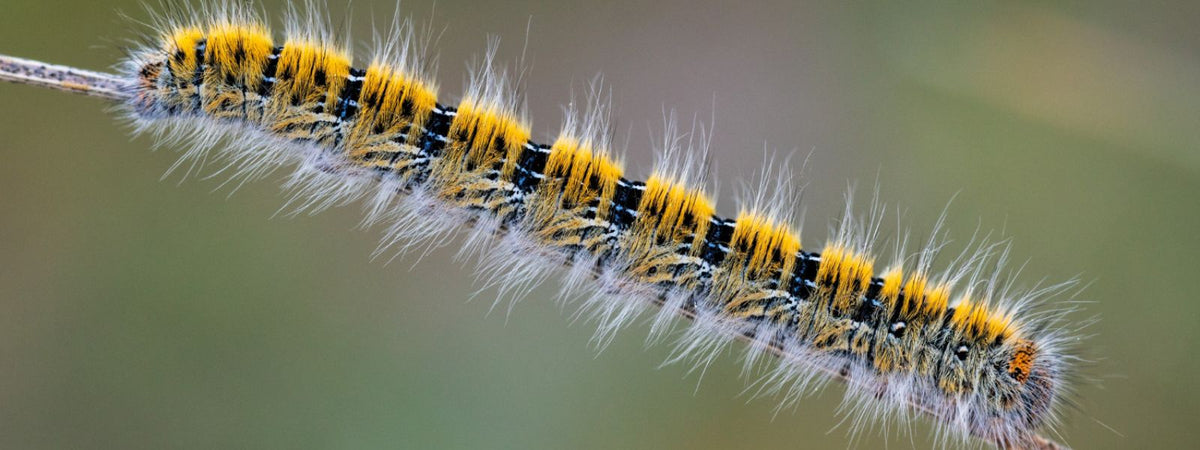
Warning: this article contains photos (at the bottom) that may be distressing to sensitive readers.
Why are processionary caterpillars particularly dangerous for dogs? When is the procession season?
The processionary caterpillars are covered in thousands of microscopic stinging hairs.
These hairs release a highly irritating toxin that causes a severe inflammatory reaction, sometimes in just a few minutes.
In dogs, the danger comes from their natural curiosity, as they sniff the ground, lick things easily, and may pick them up in their mouths while playing.
The area most often affected is therefore the tongue, with a risk of massive swelling, ulceration, and then necrosis if treatment is delayed.
For the pine processionary, the most dangerous period generally corresponds to the descent from the nests between February and April, with a peak often in March depending on the region and the weather. In the south and warmer areas, this can start earlier.
What are the main symptoms that should alert you immediately?

Signs often appear immediately or within 2 hours.
The most indicative symptoms are:
- sudden excessive drooling
- severely swollen tongue or lips
- dog rubbing its muzzle
- agitation, intense pain
- vomiting
- difficulty closing the mouth
- redness or abnormal discoloration of the tongue
- breathing difficulties in severe cases
- ...
The most concerning sign remains a tongue that swells rapidly and turns red, then purplish or black.
What should an owner do immediately if they think their dog has touched, licked, or inhaled caterpillar hairs?
You must act immediately, without waiting to "see if it goes away".
The right immediate actions
- Remove the dog from the area
- Wear gloves
- Rinse the mouth, tongue, or affected area thoroughly with cold water
- Rinse with a gentle stream, without rubbing
- Consult a veterinarian or emergency service immediately
The purpose of rinsing is to eliminate as many hairs as possible before they continue to release their toxin.
What actions or mistakes must be avoided at all costs?
Certain mistakes significantly worsen the injuries.
What absolutely not to do
- do not rub the tongue or muzzle
- do not use a cloth or dry compress
- do not try to remove the hairs with bare fingers
- do not induce vomiting
- do not wait for edema to appear
- do not give human medication
Rubbing breaks the stinging hairs and releases even more toxin, which can worsen the necrosis.
What preventive advice should be given during the high-risk period for processionary caterpillars?
Prevention relies primarily on vigilance during walks.
Simple advice to give to owners
- avoid areas with infested pine, cedar, or oak trees
- watch out for white silky nests in the trees
- keep the dog on a leash in wooded parks in the spring
- prevent sniffing at the base of pine trees
- avoid windy walks near nests
- notify the town hall or parks department if nests are visible
- consult a vet quickly at the slightest doubt
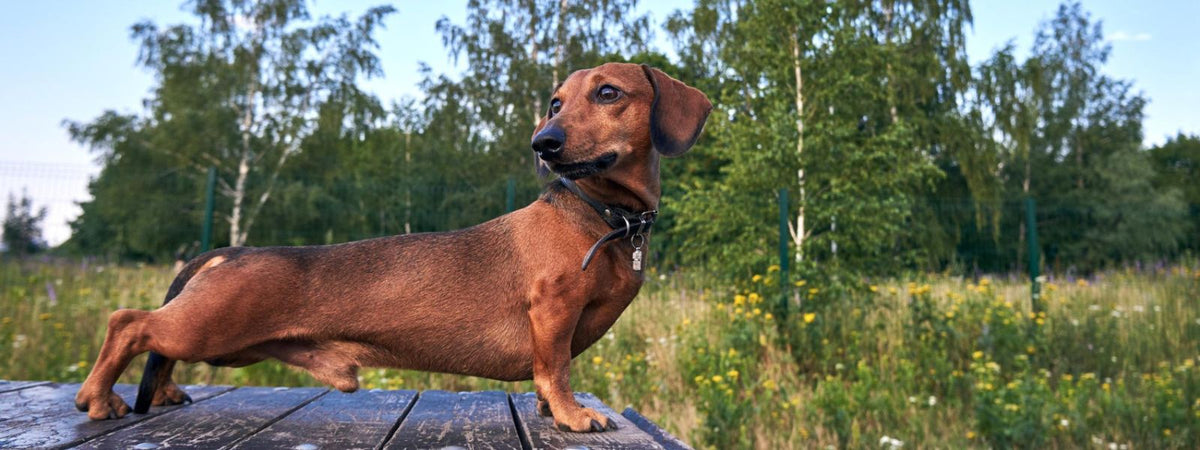
We warmly thank the Ric et Rac Veterinary Clinic, Dr. Marc Leclerc for the time granted, the quality of his answers, and his valuable expertise, as well as Dr. Odin, who took care of our dachshund Néo the day he was admitted, for his intervention and support.

The Teckelshop team - 💚




1 comment
Alexandre
Bonjour,
Merci beaucoup, c’est très instructif et bien expliqué.
Très utile car je vis en montagne, j’ai une teckelette qui adore les longues promenades et j’ignorais l’ampleur de ce danger, je serai encore plus averti désormais.
Alexandre
Leave a comment
All comments are moderated before being published.
This site is protected by hCaptcha and the hCaptcha Privacy Policy and Terms of Service apply.